Car enthusiasts often think about the next upgrade before they think about the next inspection. That is understandable. New wheels, better sound, sharper handling, a cleaner engine bay, or a more aggressive stance can make a vehicle feel personal and exciting. But the cars that stay enjoyable over time are not just modified. They are maintained.
Maintenance is what makes everything else work. A vehicle with neglected fluids, worn tires, weak brakes, cracked glass, poor alignment, or body damage will not deliver the experience an enthusiast wants. Even the best upgrades cannot make up for a weak foundation. In some cases, modifying a vehicle before addressing basic problems can make those problems worse.
The smartest approach is to treat maintenance as part of the build. Every service, inspection, repair, and cleaning habit helps protect performance, safety, value, and pride of ownership. A well-cared-for car feels better, lasts longer, and gives the owner more confidence behind the wheel.
Whether the vehicle is a daily driver, weekend cruiser, project car, off-road build, or high-mileage favorite, the goal is the same: keep it reliable enough to enjoy. These maintenance tips can help car enthusiasts protect what they have before chasing what comes next.
Start With a Baseline Inspection

Before adding upgrades, take an honest look at the vehicle’s current condition. Many enthusiasts buy parts before they fully understand what the car needs. That can lead to wasted money. A new wheel setup, intake, suspension kit, or cosmetic upgrade does not solve worn bushings, old fluids, weak brakes, or a check engine light.
A baseline inspection gives the owner a clear starting point. It should cover the engine, transmission, suspension, brakes, tires, steering, glass, lights, fluids, belts, hoses, battery, and visible body condition. It should also include a review of service records if they are available.
Working with an experienced auto mechanic can help identify issues that are easy to miss during a quick driveway check. A professional inspection may reveal leaks, uneven tire wear, worn mounts, damaged suspension components, or early warning signs that should be addressed before upgrades begin.
It also helps to know where replacement items will come from. Finding the right local auto part can be useful when a vehicle needs basic maintenance, repair parts, sensors, filters, or hardware quickly. Local sourcing may also help when fitment questions come up, especially on older vehicles or models with multiple trim options.
A strong baseline should answer:
- What needs immediate attention?
- What can wait?
- What parts are wearing faster than expected?
- Are there signs of hidden damage?
- Are previous repairs holding up?
- Is the vehicle ready for upgrades, or does it need maintenance first?
Enthusiasts who start with a baseline make better decisions. They know whether they are improving a solid car or decorating a problem.
Protect the Heart of the Vehicle
The engine is the center of the driving experience. Power, throttle response, fuel efficiency, sound, and reliability all depend on how well it is cared for. Performance upgrades may get more attention, but basic engine maintenance is what keeps the vehicle running strong.
Oil changes are only the beginning. Enthusiasts should pay close attention to coolant, spark plugs, air filters, fuel filters, belts, hoses, gaskets, timing components, and engine mounts. Older vehicles, modified vehicles, and cars driven hard may need shorter service intervals than the basic schedule suggests.
Warning signs should not be ignored. Rough idle, smoke, overheating, knocking, misfires, oil consumption, coolant loss, fuel smell, or loss of power can all point to problems that need diagnosis. Small issues can become expensive when they are allowed to continue.
Key habits include:
- Check oil level and condition regularly.
- Watch for leaks under the vehicle.
- Replace air filters before they become restrictive.
- Keep the cooling system clean and full.
- Inspect belts and hoses for cracking or swelling.
- Address misfires before they damage other components.
- Listen for changes in engine sound.
- Track fuel economy for sudden changes.
Engine maintenance also matters more when a vehicle has performance modifications. More heat, higher loads, aggressive driving, or added power can stress components. Cooling, lubrication, and fuel delivery must be in good condition before expecting the engine to handle more.
A clean engine bay is helpful, but a healthy engine is the real goal. The best enthusiast cars feel ready every time the key turns or the start button is pressed.
Know When the Motor Is Past Saving
Not every engine problem means the vehicle is done. Some issues can be repaired affordably and keep the car on the road for years. Others signal that the engine may no longer be worth chasing with one repair after another.
Severe overheating, low compression, major oil consumption, timing failure, cracked blocks, damaged heads, rod knock, and repeated major repairs can change the conversation. At that point, the owner needs to compare repair costs against the condition and value of the entire vehicle.
Car engine replacement may make sense when the rest of the car is worth keeping. A clean body, solid chassis, good transmission, strong suspension, and personal value can justify the investment. This is especially true for enthusiast vehicles, rare trims, workhorses, or cars with sentimental importance. But replacement should not be an emotional decision alone.
An engine replacement in a rusted, accident-damaged, or electrically troubled vehicle may only move the next major problem to the front of the line. On the other hand, installing a good engine in a well-kept chassis can extend the life of a vehicle that still has plenty to offer.
The key is to evaluate the whole car, not just the broken part.
Treat Tires as Performance Equipment
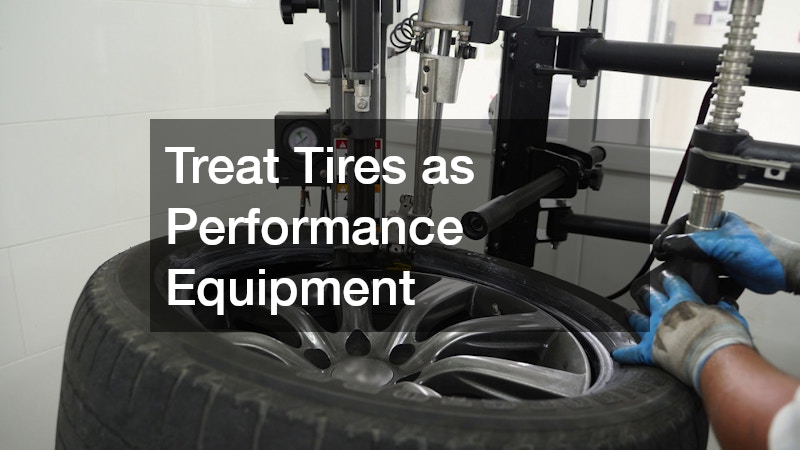
Tires are one of the most important parts of any vehicle, yet they are often treated like an afterthought. For enthusiasts, that is a mistake. Tires affect acceleration, braking, cornering, ride comfort, wet-weather control, steering feel, road noise, and fuel economy.
A car with strong horsepower and weak tires will still feel limited. A car with modest power and the right tires can feel sharper, safer, and more enjoyable. Tires are not just wear items. They are the contact point between the vehicle and the road.
Tire sales should be approached with the same care as any performance decision. The right tire depends on how the vehicle is used. A daily driver in a rainy climate needs a different tire than a weekend canyon car, winter commuter, off-road truck, or track-focused build.
Maintenance matters just as much as selection. Check tire pressure when tires are cold. Inspect tread depth. Look for cracking, bulges, punctures, and uneven wear. Rotate tires on schedule unless the vehicle has a staggered setup that limits rotation. Check alignment if the car pulls, the steering wheel is off-center, or tread wear looks uneven.
For enthusiasts, tire condition should be checked before road trips, spirited drives, track days, or seasonal changes. Tires can make the difference between a car that feels connected and one that feels unpredictable.
Choose Wheels With Fitment in Mind
Wheels are one of the most visible upgrades on any vehicle. They can change the entire look of a car, truck, or SUV. But wheel upgrades should never be based on appearance alone. Poor fitment can hurt ride quality, handling, safety, and tire life.
Custom rims should be chosen with careful attention to bolt pattern, offset, hub bore, width, diameter, brake clearance, suspension setup, and tire size. A wheel that looks good in a photo may not work well on a specific vehicle. It may rub at full steering lock, sit too far outside the fender, contact suspension components, or require tire sizes that hurt comfort.
Oversized wheels can also create problems. They may add weight, reduce sidewall height, increase road harshness, make wheels easier to damage, and put extra stress on suspension components. The right wheel setup should improve the look of the vehicle without making it worse to drive.
Before buying wheels, check:
- Bolt pattern
- Offset range
- Hub bore
- Brake caliper clearance
- Tire compatibility
- Load rating
- Wheel weight
- Suspension travel
- Fender clearance
- Alignment needs
After installing new wheels, inspect for rubbing and vibration. Recheck lug torque after initial driving. Make sure the vehicle tracks properly and does not develop unusual tire wear.
Keep Stopping Power Ahead of Speed
Enthusiasts often think about going faster before they think about stopping better. That is backwards. Brakes are one of the most important safety and performance systems on the vehicle. They should always match how the vehicle is driven.
Daily traffic, mountain roads, towing, heavy wheels, larger tires, track days, and aggressive driving all place extra demand on the braking system. Worn pads, warped rotors, old fluid, sticking calipers, or a soft pedal feel should be addressed quickly.
Brake repair service may be needed when there is grinding, squealing, vibration, pulling, a burning smell, uneven pad wear, or a brake warning light. A soft pedal or fluid leak should be treated as urgent. Brakes do not usually fail all at once without warning, but the warning signs should not be ignored.
Brake upgrades are not always necessary. Many vehicles perform well with quality replacement pads, good rotors, fresh fluid, and proper installation. For more demanding driving, upgraded pads, high-temperature fluid, stainless lines, or larger brake kits may be appropriate.
Do Not Ignore Visibility and Glass

Glass maintenance may not be the most exciting part of vehicle care, but it matters every time the car is driven. A clear windshield, working wipers, clean mirrors, and intact side glass all affect safety, comfort, and confidence.
Small chips can spread into cracks. Scratched glass can create glare at night. Worn wipers can reduce visibility during storms. Poor seals can allow water intrusion, wind noise, or interior damage. On newer vehicles, windshield replacement may also involve cameras, sensors, and calibration.
A local auto glass repair service can help when chips, cracks, or seal problems appear. Quick attention may prevent a small chip from becoming a larger windshield replacement. Damage in the driver’s line of sight should be taken seriously, even when it looks minor.
Fix Damage Before It Spreads
Body damage is easy to dismiss when the vehicle still drives normally. A scraped bumper, dented quarter panel, cracked trim piece, or chipped paint may seem cosmetic. Sometimes it is. Other times, damage can lead to rust, water leaks, sensor issues, alignment problems, or hidden structural concerns.
Collision repairs should be considered when the vehicle has been involved in an impact, even a low-speed one. Modern vehicles often hide important components behind bumpers and panels. Sensors, brackets, absorbers, lights, wiring, and mounting points may be damaged even when the exterior looks acceptable.
Enthusiasts should be especially mindful of rust. Exposed metal can spread if ignored. Paint chips, scratches, and small dents should be addressed before moisture gets under the finish. Underbody damage matters too, especially for vehicles driven in winter climates, off-road conditions, or areas with road salt.
After an impact, check:
- Panel gaps
- Door, hood, and trunk alignment
- Bumper fitment
- Headlight and taillight operation
- Water leaks
- Warning lights
- Tire wear
- Steering pull
- Unusual noises
- Underbody damage
Body condition affects value, but it also affects ownership pride. A mechanically strong vehicle with neglected body damage can become harder to restore later. Fixing damage early is often easier than repairing rust and hidden deterioration after years of neglect.
Protect the Finish and Interior
A clean car is not just nicer to look at. Proper cleaning protects paint, trim, glass, wheels, upholstery, leather, plastics, carpets, and headlights. Enthusiasts who care about long-term value should treat detailing as maintenance, not decoration.
Auto detailing services can help with deeper cleaning, paint correction, interior restoration, protective coatings, odor removal, headlight restoration, and careful wheel cleaning. Professional work may be especially useful before selling, storing, showing, or refreshing a vehicle after years of use.
Routine care still matters beyond deeper details. Poor washing habits can scratch paint. Brake dust can damage wheel finishes. Road salt can accelerate corrosion. Sun exposure can fade trim and dry out interiors. Bugs, bird droppings, sap, and tar should be removed quickly before they etch surfaces.
Interior condition also affects the driving experience. A clean cabin feels better, smells better, and makes the car more enjoyable. For enthusiasts, that matters. Pride of ownership is built through small habits repeated consistently.
Maintain the Foundation Before Chasing Upgrades
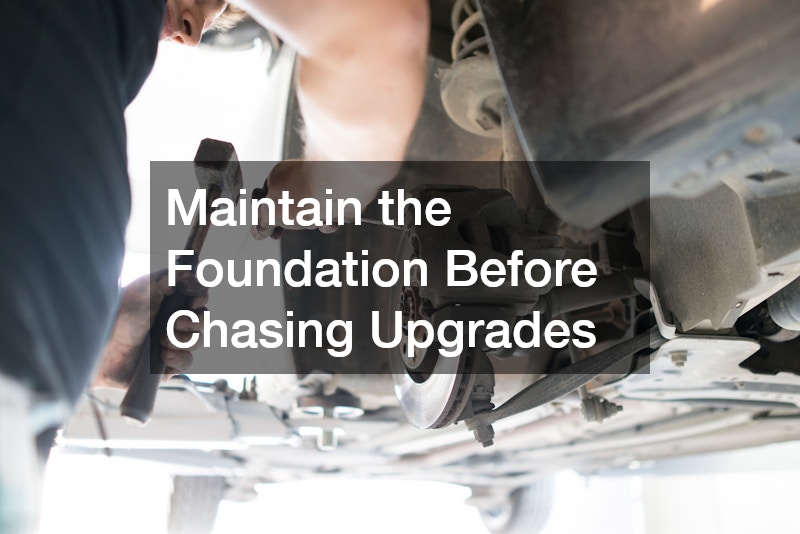
Car enthusiasm is often built around passion, but long-term ownership depends on discipline. The vehicles that stay enjoyable are the ones that receive steady attention before problems become serious. Maintenance protects performance, safety, appearance, reliability, and value.
A strong build starts with a strong foundation. Fluids, tires, brakes, glass, body condition, engine health, and routine inspections all matter. Upgrades are more rewarding when the basics are already handled. A car that is clean, safe, and mechanically sound will always be more satisfying than one that looks modified but feels neglected.
For car enthusiasts, maintenance is not separate from the hobby. It is the part that keeps the hobby alive. A well-maintained vehicle gives its owner more confidence, more enjoyment, and more miles worth remembering.