
Buying a first car for your teenager is a rite of passage that sits somewhere between a proud milestone and a logistical headache. It is the moment “The Bank of Mom and Dad” meets the reality of automotive maintenance, and the emotional weight of the occasion can often cloud the practical judgment required for such a significant purchase. For your teen, this is the ultimate taste of freedom—the ability to go to school, sports practice, or a friend’s house without waiting for “Mom’s Taxi.” For you, however, it is a period of high anxiety. You are worried about their safety, the distracted drivers on the road, and the inevitable financial responsibility that comes with vehicle ownership.
The landscape of car buying has shifted dramatically in recent years. With the rising costs of both new and used vehicles, the pressure to find a “deal” can lead parents to overlook critical safety flaws or looming mechanical failures. It is important to remember that the purchase price is merely the entry fee; the true cost of the car is measured in its reliability and its ability to protect its occupants. The “best” car isn’t always the newest one or the one with the most tech gadgets—it’s the one that has been most meticulously prepared for a novice driver’s mistakes.
Preparation is the bridge between a nervous beginner and a confident motorist. It involves a multi-faceted approach that covers mechanical vetting, visibility upgrades, and emergency readiness. By taking a proactive stance, you are not just handing over a set of keys; you are providing a mobile classroom where they will learn the value of stewardship and the consequences of neglect. This guide is designed to help you navigate the technical, financial, and safety hurdles of buying and prepping your teen’s first vehicle, ensuring that their first few years on the road are marked by growth rather than breakdowns.
I. Determining the Right Vehicle Type
Before you even look at a classified ad, you must establish the “class” of car that fits a novice driver. Many teens gravitate toward sporty coupes or massive, lifted trucks, but neither is ideal for someone still learning the physics of the road.
-
The “Goldilocks” Size: Small, lightweight subcompacts often fare poorly in collisions with larger vehicles. Conversely, high-profile SUVs have a higher center of gravity, making them prone to rollovers during over-correction. Aim for a mid-sized sedan or a small crossover.
-
Safety Tech Essentials: Prioritize vehicles equipped with Electronic Stability Control (ESC). This technology helps prevent skidding and loss of control—two of the most common factors in teen accidents.
-
The Reliability Factor: Research long-term ownership costs. A European luxury car might be cheap to buy used, but the “hidden” cost of specialized parts can drain a teen’s savings account in a single afternoon.
II. Assessing Mechanical Integrity
Once you find a car that fits the bill, it’s time to look under the hood. Never take a seller’s word for the vehicle’s condition; a pre-purchase inspection by a third-party mechanic is non-negotiable.
Prioritizing Stopping Power
A teen’s reaction time is still developing, which makes the braking system the most critical safety feature on the vehicle. During the inspection, have a local brake repair specialist check the thickness of the pads and the condition of the rotors. If the steering wheel shakes when you brake during the test drive, the rotors may be warped. Ensure the brake fluid is clean and translucent; dark fluid indicates moisture contamination which can lead to brake failure under high heat.
Ensuring a Straight Path
During your test drive, find a flat, straight road and briefly loosen your grip on the wheel. If the car drifts significantly, it likely needs a professional alignment. Proper suspension geometry ensures that the tires wear evenly and, more importantly, that the car handles predictably during emergency maneuvers. A car that is out of alignment is more than an annoyance—it is a safety hazard that can lead to premature tire failure or a catastrophic blowout.
III. Visibility and Glass Safety

Visibility is the cornerstone of safe driving. For a teenager, whose peripheral awareness and “road scanning” skills are still being honed, clear glass is a requirement, not a luxury.
Restoring Structural Integrity
The windshield is a structural component; it provides up to 50% of the cabin’s strength in a rollover accident and ensures proper airbag deployment. Even a small chip can compromise this integrity. If you notice “star” or “bullseye” cracks, contact a windshield repair service immediately. These repairs can often be done in under an hour and prevent a small ding from spider-webbing across the entire glass.
When to Opt for a Total Swap
If damage is in the driver’s direct line of sight or is larger than a dollar bill, you are looking at a full windshield replacement. Old glass also becomes “pitted” over time—covered in thousands of tiny microscopic dings that catch the sun and create a blinding glare. Installing fresh glass is one of the most effective safety upgrades you can provide for a used vehicle, essentially giving your teen a “high-definition” view of the road.
Reducing Glare and Heat
In many regions, a high-quality window tint serves a functional purpose. It reduces interior heat during the summer, preventing the fatigue that comes from driving in a sweltering cabin. More importantly, it cuts down on the glare from the sun and the blinding high-beams of trailing cars at night. Ensure the tint percentage complies with your local laws to avoid unnecessary “fix-it” tickets.
IV. Body Work and Aesthetics
The psychological impact of a car’s appearance shouldn’t be ignored. A car that looks cared for is usually driven with more care.
Checking for Hidden Damage
A fresh coat of paint can hide structural sins. Inspect the gaps between body panels; if they are uneven, the car may have been in a major accident. If you find evidence of poor previous fixes or mismatched paint, take the car to a reputable auto body shop for a frame check. You want to ensure the “crumple zones” are still intact and ready to protect your child in an impact.
Encouraging Pride of Ownership
Before handing over the keys, consider professional auto detailing. Removing the previous owner’s grime, stains, and odors gives the teen a “fresh start.” When a car looks and smells new, the driver is statistically more likely to keep the interior clean and be more mindful of the car’s general condition. A clean environment fosters a focused mind.
V. Establishing a Maintenance Routine
Ownership is about more than just driving; it’s about stewardship. Use this purchase as a teaching tool for financial and mechanical responsibility.
Finding a Reliable Partner
Don’t wait for a breakdown to find a mechanic. Establish a relationship with a local auto repair shop before the car even hits the driveway. Introduce your teen to the service advisor. Having a “home base” for the car means the shop will have a consistent history of the vehicle, making it much easier to diagnose intermittent issues.
The Foundation of Longevity
General auto repair shouldn’t be reactive. Create a maintenance calendar that includes checking tire pressure once a month and oil levels every other time they fill up the tank. Teaching them that a $70 oil change prevents a $5,000 engine replacement is a financial lesson that will serve them for decades. Walk them through the “Check Engine” light protocol: if it’s solid, get it checked soon; if it’s flashing, pull over immediately.
VI. Preparing for Emergencies
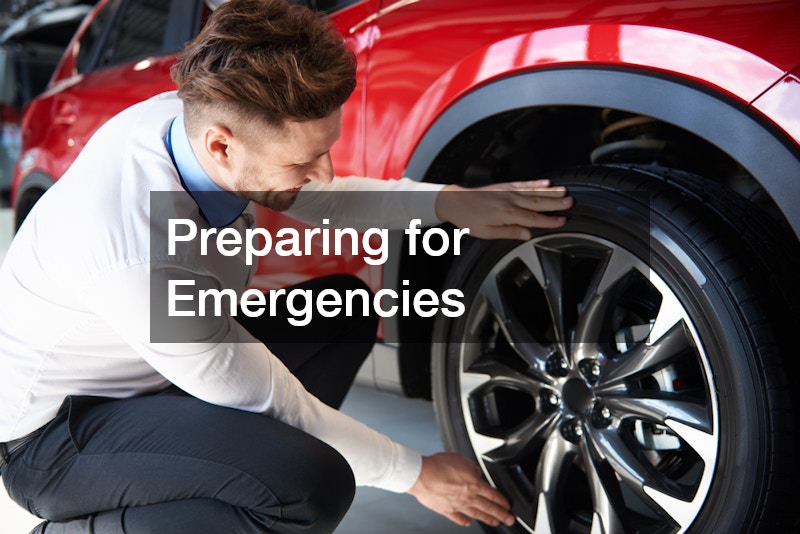
No matter how well you prepare the car, mechanical failures or road hazards are inevitable. You must prepare your teen for the “what ifs.”
The Ultimate Safety Net
Even a perfectly maintained car can suffer a dead battery or a flat tire. Setting your teen up with a roadside assistance plan is essential. Whether it’s through your insurance provider or a private motor club, knowing they have a professional to call at 2:00 AM if they are stranded provides an invaluable safety net for both of you.
The Emergency Kit
Equip the trunk with more than just a spare tire. Every teen car should have a “Go-Bag” containing:
-
Jumper cables (and a laminated sheet of instructions on how to use them safely).
-
A portable jump-starter (so they don’t have to rely on a stranger’s car).
-
Reflective triangles or flares to ensure they are visible if stopped on a dark shoulder.
-
First-aid supplies, a heavy blanket, and a flashlight with extra batteries.
Buying a car for your teenager is a significant investment in their future and their safety. By focusing on mechanical reliability—from ensuring the brakes are serviced by a specialist to securing a reliable roadside assistance plan—you are doing more than just buying a vehicle; you are providing a masterclass in responsibility. The journey from the used car lot to the driveway is paved with important decisions that dictate not just how the car runs, but how your teen perceives their new role as a driver. When we take the time to inspect the frame, clear the glass, and vet the engine, we are communicating that their life is worth the extra effort.
As they gain experience, the lessons you’ve taught them through this preparation process will become second nature. They will learn to hear the slight squeak of a brake pad or feel the subtle vibration of an unbalanced tire. They will understand that a vehicle is a complex machine that requires respect and regular attention. This foundational knowledge is what separates a reckless driver from a conscientious one. By involving them in every step—from the initial mechanical inspection to the first oil change—you are equipping them with the tools to solve problems independently.
Ultimately, the peace of mind you seek as a parent doesn’t come from a specific car brand or a high insurance premium; it comes from the knowledge that you have eliminated every possible mechanical variable. You have ensured that the car will stop when it needs to, turn when it’s told to, and protect its occupants if the unthinkable happens. When the tires are aligned, the glass is clear, and the maintenance schedule is firmly established, you can breathe a little easier as you watch them pull out of the driveway for that first solo trip. You haven’t just given them wheels; you’ve given them a well-prepared tool for the road ahead. Proper preparation is, and always will be, the best insurance policy you can provide for your child as they embark on this exciting new chapter of life. Drive safe, stay vigilant, and enjoy the ride.
Ultimately, the peace of mind you seek as a parent doesn’t come from a specific car brand or a high insurance premium; it comes from the knowledge that you have eliminated every possible mechanical variable. You have ensured that the car will stop when it needs to, turn when it’s told to, and protect its occupants if the unthinkable happens. When the tires are aligned, the glass is clear, and the maintenance schedule is firmly established, you can breathe a little easier as you watch them pull out of the driveway for that first solo trip. You haven’t just given them wheels; you’ve given them a well-prepared tool for the road ahead. Proper preparation is, and always will be, the best insurance policy you can provide for your child as they embark on this exciting new chapter of life.
Beyond the technical checks, this entire process serves as the ultimate bridge toward adulthood. When you involve your teen in the vetting process, you aren’t just protecting them from a bad transmission; you are teaching them how to make high-stakes decisions with their head rather than just their heart. They begin to see that the “cool factor” of a car is secondary to its structural integrity and mechanical soundness. This period of preparation also fosters a unique bond of trust. By showing them how to care for their vehicle, you are signaling that you trust them with the responsibility of car ownership, provided they respect the machine they are operating.
As the months go by and the odometer turns, encourage your teen to remain curious about their car. Remind them that a vehicle is a living history of its owner’s habits. A clean interior, a well-documented service folder, and a prompt response to unusual noises are all hallmarks of a successful driver. This journey doesn’t end when the title is signed; it is an ongoing education in safety, finance, and personal accountability. Drive safe, stay vigilant, and enjoy the ride.